
SR-22 Carriers for Cheap Monthly Payments — Colorado
Free to compare
The Monthly Payment Search Misses Carrier Tier
You search for the cheapest SR-22 monthly payment in Colorado and encounter advertised rates that span $85 to $200 per month. You assume the difference reflects carrier generosity or promotional pricing. The actual difference reflects carrier tier: non-standard carriers writing SR-22 as their primary business start at one floor, standard carriers adding SR-22 to existing policies start at another, and your violation history determines which tier will accept you. Most suspended drivers compare quoted monthly amounts without understanding which tier they qualify for, then discover midway through application that the advertised rate does not apply to their risk profile.
Colorado requires SR-22 filing for 3 years following DUI conviction, uninsured motorist suspension, or specific high-risk violations. The filing itself costs $15–$50 as a one-time carrier fee. The monthly premium you pay reflects liability coverage plus the non-standard tier surcharge if you are placed there. Carriers that write SR-22 exclusively operate in the non-standard tier by default. Carriers like State Farm or USAA that add SR-22 to existing policies keep some filers in standard tier if their violation was isolated and their driving record otherwise clean. The tier gap produces monthly payment differences of $40–$80 for identical liability limits.
“Tier access controls your monthly cost — advertised rates reflect underwriting floors you may not qualify for.”

Find a Colorado Policy That Covers Your Filing
Get My Colorado SR-22 Auto Insurance Quote$95
Colorado Reinstatement Fee
Colorado DMV charges $95 to reinstate a suspended license after uninsured motorist violation or other administrative suspensions. This fee is separate from SR-22 filing fees and monthly premium costs.
Colorado DMV reinstatement fee schedule per C.R.S. § 42-2-132
Non-Standard Carriers Write SR-22 as Primary Business
Non-standard carriers exist to write policies for drivers standard carriers decline: DUI, suspended license, multiple at-fault accidents, lapsed coverage. These carriers price for the elevated risk pool they serve. Monthly premiums in Colorado's non-standard tier typically start at $85–$140 for state minimum liability ($25,000 bodily injury per person, $50,000 per accident, $15,000 property damage) with SR-22 filing included. The premium reflects the underwriting tier, not the SR-22 filing itself.
Bristol West, Dairyland, The General, Progressive's non-standard division, National General, Geico's non-standard unit, and Infinity all write SR-22 policies in Colorado. These carriers file the SR-22 certificate electronically with Colorado DMV on your behalf and maintain continuous certification for the required 3-year period. If your policy lapses, the carrier notifies DMV within 10 days and your license suspends again. The monthly payment obligation is continuous: miss a payment, lose coverage, trigger a new suspension, restart the SR-22 clock.
Non-standard carriers quote faster than standard carriers because their underwriting systems expect high-risk applicants. You receive a bindable quote within 24 hours in most cases. The tradeoff: you pay the non-standard tier floor for the duration of your SR-22 period even if your driving record improves, because tier reassignment typically happens only at policy renewal and requires a clean record for 3–5 years depending on carrier.

Standard carriers decline most SR-22 applicants outright or cancel existing policies upon SR-22 filing requirement — tier access, not advertised rate, controls your actual monthly cost.



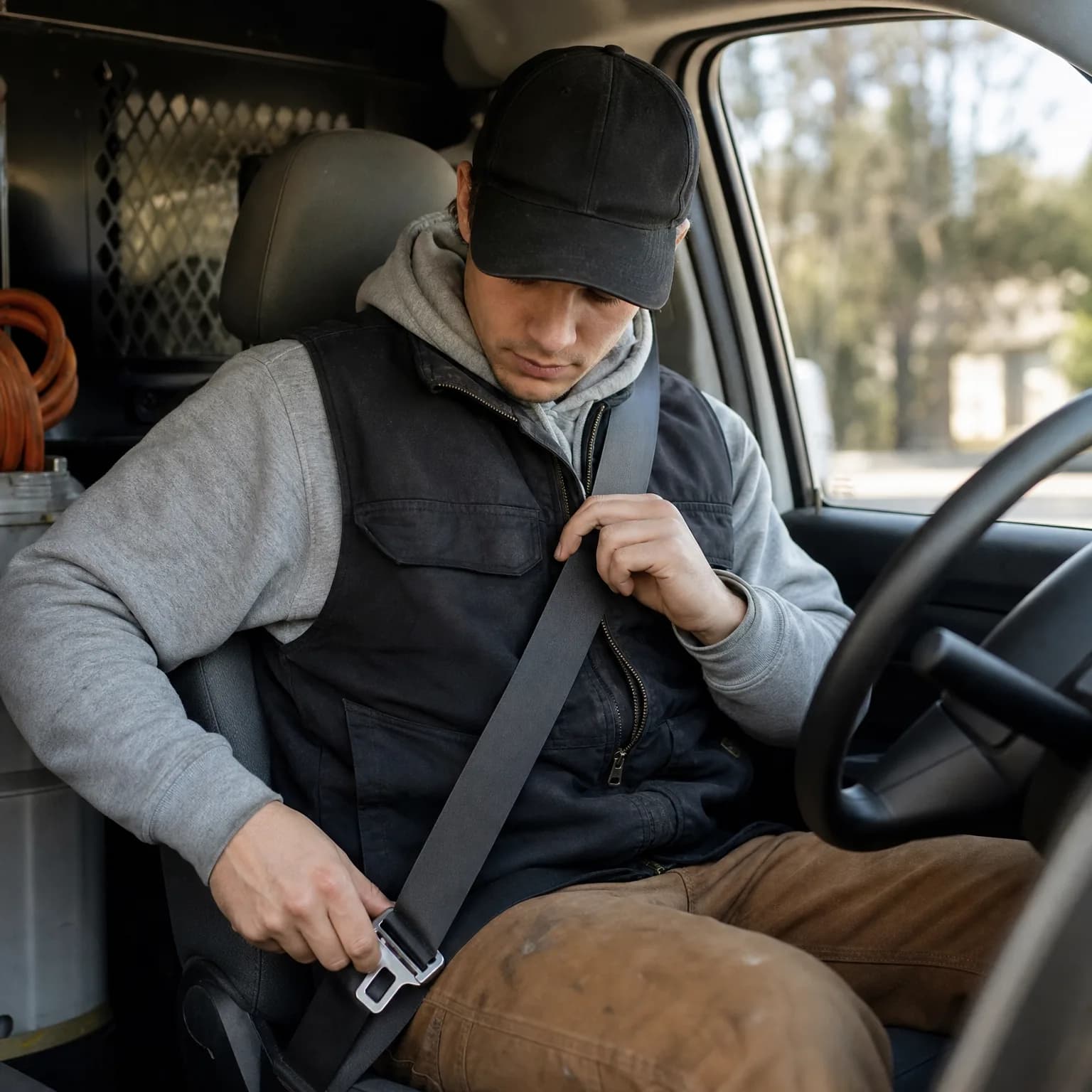



Non-Owner SR-22 Covers Suspended Drivers Without Vehicles
Colorado allows suspended drivers to satisfy SR-22 filing requirements with a non-owner policy if they do not own a vehicle. Non-owner SR-22 provides liability coverage when you drive a borrowed or rental vehicle and maintains continuous SR-22 certification with Colorado DMV. Monthly cost runs $30–$60 in most cases, significantly cheaper than standard owner SR-22 because the carrier assumes lower risk when you drive occasionally rather than daily.
Dairyland, The General, Progressive, and USAA all write non-owner SR-22 in Colorado. Geico writes non-owner SR-22 but declines applicants with DUI convictions in some cases. State Farm writes non-owner policies but requires existing customer relationship in most regions. Non-owner SR-22 does not cover vehicles you own, vehicles registered to your household, or vehicles you use regularly — if you purchase a car during the SR-22 period, you must convert to an owner policy immediately or face coverage gaps that trigger DMV notification and license re-suspension.
The non-owner policy satisfies reinstatement requirements even if you do not currently drive. Some suspended drivers maintain non-owner SR-22 for the full 3-year period without owning a vehicle, then cancel once the SR-22 obligation ends. This approach works if your suspension was uninsured-motorist-related or points-accumulation-related and you can rely on other transportation during the filing period. DUI suspensions in Colorado often carry ignition interlock requirements that make the non-owner strategy less viable because you cannot install an interlock device in a vehicle you do not control.
3 years
Colorado SR-22 Filing Period
Colorado requires continuous SR-22 filing for 3 years following DUI conviction or insurance-related suspensions, measured from conviction date or reinstatement date depending on violation type. Any lapse in coverage during this period triggers DMV notification and immediate re-suspension.
Colorado SR-22 filing duration per C.R.S. § 42-7-303

Comparing Carriers by Monthly Cost and Filing Reliability
Compare carriers on two dimensions: monthly premium for your specific liability limit selection and filing reliability measured by electronic submission speed and lapse notification accuracy. Colorado DMV accepts SR-22 certificates electronically. Most carriers file within 24 hours of policy binding. Delays occur when carriers batch-process filings or when weekend binding pushes submission to the next business day. Ask the carrier's SR-22 department for their average filing window before you bind.
Non-standard carriers process SR-22 filings faster than standard carriers in most cases because their systems automate the process. Bristol West, Dairyland, and The General file electronically within one business day. Progressive files same-day for most applicants. National General and Infinity file within 24–48 hours. State Farm and USAA file within 2–3 business days because SR-22 requests route through underwriting review before submission. If you are reinstating immediately after suspension and need proof of filing for a DMV appointment, carrier filing speed matters as much as monthly cost.
Start Your Comparison with Three Carrier Quotes
Request quotes from one non-standard carrier writing SR-22 as primary business, one standard carrier if you held a prior policy with them, and one non-owner SR-22 specialist if you do not currently own a vehicle. This three-carrier structure covers the tier options available to you and surfaces the actual monthly payment range you face. Colorado suspended drivers who compare only non-standard carriers miss potential savings from standard-tier placement. Drivers who compare only standard carriers waste time on applications that will decline them. The comparison must match your tier eligibility to the carriers writing that tier. Use the site's SR-22 carrier comparison tool to filter Colorado-licensed carriers by coverage type and request quotes that reflect your violation history and current vehicle ownership status.
Standard Carriers Add SR-22 to Existing Policies
State Farm writes SR-22 in Colorado and allows existing customers with isolated violations to maintain their policy with SR-22 filing added. The carrier charges the $15–$25 filing fee and applies a surcharge to the monthly premium, but the surcharge reflects the violation itself rather than a tier change. If your base premium was $110 per month before suspension, expect $140–$180 after SR-22 requirement depending on violation severity. This option exists only if you held a State Farm policy before the suspension or if your violation was non-DUI and your record otherwise clean.
USAA writes SR-22 for military members and eligible family members in Colorado. The carrier maintains standard-tier placement for first-offense DUI if no prior violations appear on record and the member completes court-ordered requirements. Monthly premium increases but stays below non-standard carrier floors. USAA also writes non-owner SR-22 policies for suspended drivers without a vehicle, a coverage type non-standard carriers sometimes decline. Geico writes SR-22 in Colorado through both standard and non-standard divisions. Standard-tier Geico applicants face strict underwriting: one DUI disqualifies most applicants unless 5+ years have passed and no other violations occurred.
Get Your Free Quote
Get My Colorado SR-22 Auto Insurance QuoteFrequently Asked Questions
What is the cheapest SR-22 insurance in Colorado per month?
Non-standard carriers writing SR-22 in Colorado typically charge $85–$140 per month for state minimum liability coverage with SR-22 filing included. Non-owner SR-22 policies cost $30–$60 per month if you do not own a vehicle. Actual cost depends on your violation history, age, and whether you qualify for standard-tier placement with carriers like State Farm or USAA.
How long do I need SR-22 insurance in Colorado?
Colorado requires continuous SR-22 filing for 3 years following DUI conviction, uninsured motorist suspension, or specific high-risk violations. The 3-year period starts from your conviction date or reinstatement date depending on violation type. Any lapse in coverage during this period triggers immediate license re-suspension and restarts the SR-22 clock.
Can I get SR-22 insurance without owning a car in Colorado?
Colorado allows non-owner SR-22 policies for suspended drivers who do not own a vehicle. Non-owner SR-22 provides liability coverage when you drive borrowed or rental vehicles and satisfies DMV filing requirements. Monthly cost runs $30–$60 in most cases. Dairyland, The General, Progressive, and USAA all write non-owner SR-22 in Colorado.
What happens if my SR-22 insurance lapses in Colorado?
If your SR-22 insurance lapses for any reason, your carrier notifies Colorado DMV electronically within 10 days. DMV suspends your license immediately upon receiving the lapse notification. You must purchase a new SR-22 policy, wait for the carrier to file the certificate with DMV, pay the $95 reinstatement fee, and restart the 3-year SR-22 filing period from the new filing date.
Which carriers write SR-22 insurance in Colorado?
Non-standard carriers writing SR-22 in Colorado include Bristol West, Dairyland, The General, Progressive, National General, Geico's non-standard division, and Infinity. Standard carriers like State Farm, USAA, and Farmers add SR-22 filing for existing customers with isolated violations. Non-owner SR-22 is available from Dairyland, The General, Progressive, and USAA.
How much does SR-22 filing cost in Colorado?
Carriers charge a one-time SR-22 filing fee of $15–$50 to submit the certificate electronically to Colorado DMV. This fee is separate from your monthly premium. Colorado DMV charges a $95 reinstatement fee to restore your license after suspension. The monthly premium you pay reflects liability coverage cost plus any non-standard tier surcharge if you are placed in that tier.
Can I switch SR-22 carriers in Colorado during the 3-year period?
You can switch SR-22 carriers during the required 3-year filing period, but the transition must be seamless to avoid coverage gaps. Bind the new policy before canceling the old one, confirm the new carrier has filed the SR-22 certificate with Colorado DMV, then cancel the prior policy. Any gap between cancellation and new filing triggers DMV notification and immediate license re-suspension.