
SR-22 Filing With a Suspended License — Colorado
Free to compare
The Filing Paradox Suspended Drivers Face
You cannot reinstate your Colorado license until you file SR-22 proof of insurance with the DMV. But you cannot get most carriers to quote you SR-22 coverage while your license shows suspended in the state database. The Colorado Division of Motor Vehicles requires active SR-22 on file as a precondition to processing your $95 reinstatement application — not after reinstatement, before. This creates a procedural catch: the system that suspends you also blocks the insurance step required to exit suspension.
This article walks the actual filing sequence Colorado suspended drivers use to break the loop — which carriers write SR-22 policies for currently-suspended drivers, how the DMV processes SR-22 filings during suspension periods, and what happens if you apply for reinstatement before the state confirms your filing is active in their system.
“The DMV will not accept reinstatement paperwork until their system shows active SR-22 linked to your license number — filing must precede application by enough margin to survive processing lag.”

Find a Colorado Policy That Covers Your Filing
Get My Colorado SR-22 Auto Insurance Quote$95
Colorado License Reinstatement Fee
The base reinstatement fee applies to standard uninsured motorist suspensions. DUI-related revocations and habitual traffic offender cases carry separate fee schedules set by the Colorado Division of Motor Vehicles under C.R.S. § 42-2-132.
Colorado Revised Statutes § 42-2-132
Why SR-22 Must Be Active Before You Apply
Colorado structures reinstatement as a two-step process: SR-22 filing confirmation first, then reinstatement application. The DMV will not accept your reinstatement paperwork until their system shows an active SR-22 certificate linked to your driver license number. This is not a timing suggestion — it is a hard system gate.
The SR-22 certificate your carrier files electronically with the state populates the Colorado Insurance Identification Database. Once the CIID reflects your active coverage, the DMV unlocks reinstatement eligibility. If you submit your reinstatement application before CIID updates, the DMV rejects the application and you lose the $95 fee. Processing lag between carrier filing and CIID confirmation typically runs 1 to 3 business days, but the state does not guarantee a window.
Most suspended drivers discover this sequence only after their first reinstatement attempt is denied for missing SR-22. The DMV reinstatement notice lists SR-22 as a requirement but does not explain that filing must precede application by enough margin to survive processing lag.

Your reinstatement application will be rejected if CIID does not show active SR-22 at the moment DMV processes your submission — even if your carrier filed three days earlier.


The Filing and Confirmation Sequence
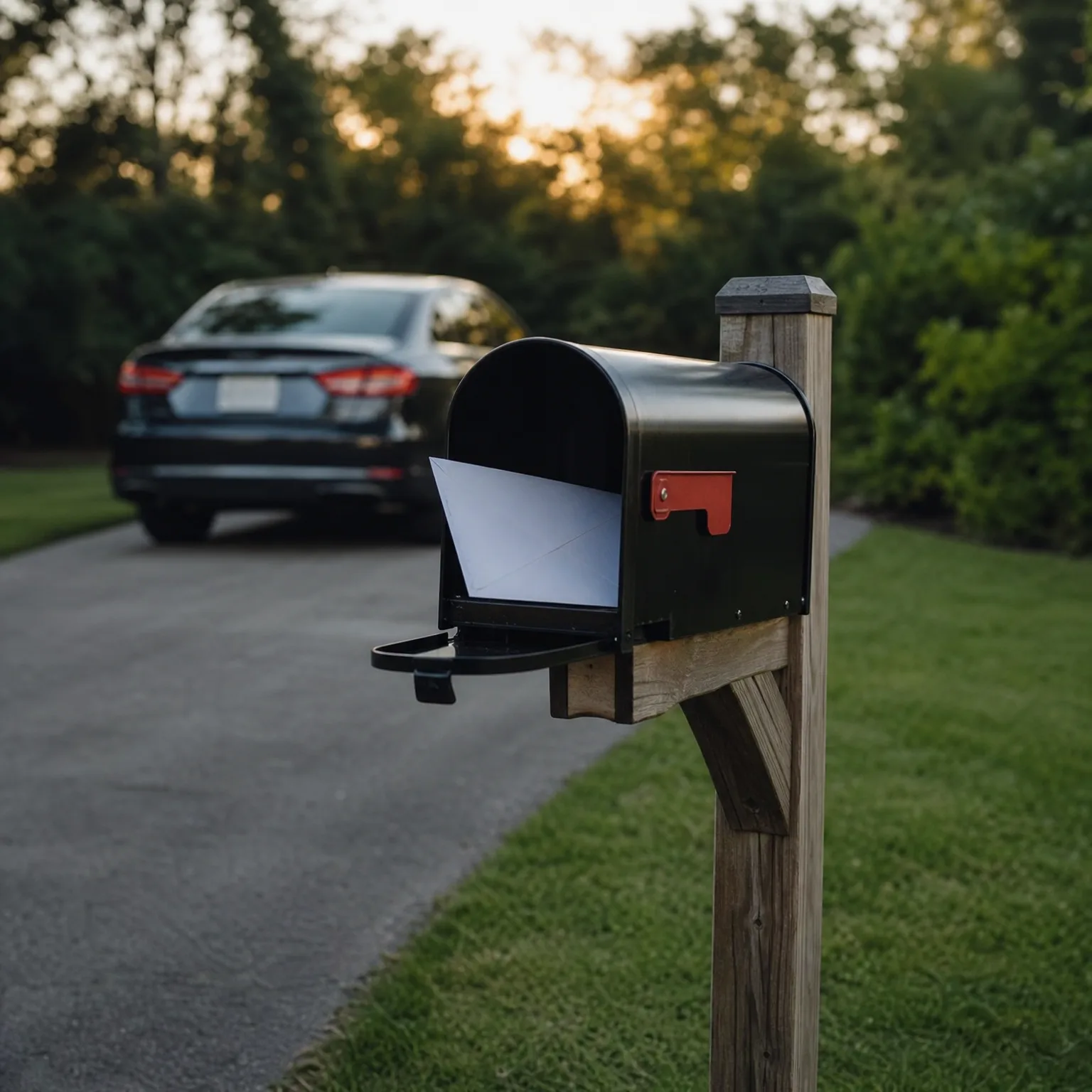
Once you secure SR-22 coverage, your carrier electronically transmits the SR-22 certificate to the Colorado DMV within 24 hours of policy activation. The certificate includes your driver license number, policy effective date, coverage limits, and the 3-year filing period Colorado requires for most suspension triggers. This transmission populates the CIID database the DMV uses to verify insurance compliance.
CIID updates are not instantaneous. The state processes carrier filings in batches, and system lag between carrier transmission and DMV confirmation varies by submission volume and state processing cycles. Calling the DMV to confirm CIID reflects your SR-22 before submitting reinstatement paperwork eliminates the rejection risk. The DMV driver services line can query CIID in real time and confirm whether your filing shows active in their system.
If you submit reinstatement online through Colorado's myDMV portal before CIID updates, the system automatically rejects your application and charges the $95 fee anyway. The fee is non-refundable regardless of rejection reason. Waiting 3 business days after your carrier confirms SR-22 filing gives CIID enough margin to process in most cases, but phone confirmation is the only method that guarantees readiness.
3 years
Colorado SR-22 Filing Period
Colorado requires continuous SR-22 coverage for 3 years following most insurance-related suspensions. If your SR-22 lapses at any point during the 3-year period — because you cancel the policy, miss a payment, or switch carriers without maintaining continuous coverage — the state automatically re-suspends your license and the 3-year clock resets from the new filing date.
Colorado DMV SR-22 filing requirements

Ignition Interlock and Early Reinstatement Paths
DUI-related suspensions in Colorado trigger separate requirements beyond SR-22. If your suspension stems from a DUI conviction or an Express Consent administrative revocation for BAC failure, you must install an approved ignition interlock device before the DMV will issue any driving privileges — including restricted or probationary licenses. The IID requirement runs concurrently with SR-22; both must be active for reinstatement eligibility.
Colorado's Early Reinstatement program under C.R.S. § 42-2-132.5 allows DUI offenders to apply for restricted driving privileges before the full suspension period ends, but only after completing IID installation and securing active SR-22 coverage. First-offense DUI cases can access Early Reinstatement almost immediately if the driver enrolls in the interlock program quickly — Colorado does not impose a mandatory hard suspension period before IID-restricted driving becomes available. Drivers designated as persistent drunk drivers under state law face a mandatory 2-year IID requirement as a condition of any restricted driving, significantly extending the timeline before unrestricted privileges return.
What Happens If You Drive Before Reinstatement
Driving on a suspended license in Colorado is a class 2 misdemeanor traffic offense carrying fines up to $300 for a first violation, potential jail time for subsequent offenses, and extension of your existing suspension period. If law enforcement stops you and confirms suspended status, the vehicle you are driving can be impounded on the spot regardless of whether you own it. Impound fees, towing charges, and storage costs compound quickly — often exceeding $500 within the first week.
SR-22 filing does not restore driving privileges. It satisfies one precondition for reinstatement, but your license remains suspended until the DMV processes your reinstatement application, confirms all requirements are met, and issues formal reinstatement notice. Only after you receive DMV confirmation that your license is reinstated can you legally operate a vehicle in Colorado. The gap between SR-22 activation and completed reinstatement typically runs 5 to 10 business days depending on DMV processing load and whether you apply online or in person.
Start With SR-22, Then Apply for Reinstatement
Secure non-owner SR-22 coverage from a carrier that writes policies for suspended drivers — Progressive, Geico, The General, or Dairyland are the most accessible options in Colorado. Wait 3 business days after your carrier confirms electronic filing, then call the DMV driver services line to verify CIID shows your SR-22 active in their system. Once confirmed, submit your reinstatement application online through myDMV or in person at a DMV office with the $95 fee and any additional documentation your suspension type requires. The sequence locks in this order — filing first, confirmation second, application third. Reversing the order costs you the reinstatement fee and adds weeks to your timeline.
Which Carriers Write SR-22 During Suspension
Progressive, Geico, The General, and Dairyland all maintain underwriting programs that allow SR-22 issuance during active suspension periods. Progressive and Geico operate hybrid models — their standard-tier systems may reject suspended applicants online, but phone underwriters can manually override and issue non-owner SR-22 policies that satisfy Colorado filing requirements. The General and Dairyland specialize in high-risk placements and quote suspended drivers directly through their online portals without manual intervention.
Non-owner SR-22 policies cover liability when you drive a vehicle you do not own — a friend's car, a rental, or a borrowed vehicle. Colorado accepts non-owner SR-22 filings for reinstatement even if you do not currently own a registered vehicle. Monthly premiums for non-owner SR-22 in Colorado typically run $35 to $65 for minimum state liability limits, significantly lower than standard auto policies because the carrier assumes lower exposure when no specific vehicle is insured under the policy.
Get Your Free Quote
Get My Colorado SR-22 Auto Insurance QuoteFrequently Asked Questions
Can I get SR-22 insurance if my license is currently suspended in Colorado?
Yes. Progressive, Geico, The General, and Dairyland all write non-owner SR-22 policies for currently-suspended Colorado drivers. Most carriers require phone underwriting rather than online quoting when your license shows suspended in the state database, but approval rates are high for drivers who meet minimum underwriting criteria.
How long does it take for Colorado DMV to process SR-22 filing after my carrier submits it?
Colorado's CIID database typically reflects carrier SR-22 filings within 1 to 3 business days, but the state does not guarantee a processing window. Calling the DMV driver services line 3 days after your carrier confirms electronic filing lets you verify CIID shows your SR-22 active before you submit reinstatement paperwork.
What happens if I apply for reinstatement before my SR-22 shows active in the DMV system?
The DMV rejects your reinstatement application and keeps the $95 fee. Colorado's myDMV portal and in-person processing both require active SR-22 confirmation in CIID before the system will accept reinstatement submissions. The fee is non-refundable regardless of rejection reason.
Do I need to own a car to get SR-22 insurance in Colorado?
No. Colorado accepts non-owner SR-22 policies for reinstatement. Non-owner SR-22 covers liability when you drive vehicles you do not own — borrowed cars, rentals, or vehicles registered to someone else. Monthly premiums typically run $35 to $65 for minimum state liability limits.
How long do I have to keep SR-22 insurance after my license is reinstated in Colorado?
Colorado requires continuous SR-22 coverage for 3 years from the filing date for most insurance-related suspensions. If your SR-22 lapses at any point during the 3-year period, the state automatically re-suspends your license and the 3-year requirement resets from the date you file a new SR-22 certificate.
Can I get a hardship license in Colorado while my regular license is suspended?
Colorado offers Early Reinstatement and Probationary License programs under C.R.S. § 42-2-132.5 for certain suspension types, primarily DUI-related cases. Eligibility requires active SR-22 coverage and ignition interlock device installation for alcohol-related suspensions. The DMV restricts driving to necessary purposes — work, school, medical appointments, and court-ordered programs — and violations trigger automatic revocation.