
SR-22 Insurance Without Prior Coverage — Colorado
Free to compare
You Never Had Coverage Before Suspension
Your license was suspended for driving uninsured or you let coverage lapse before the DMV caught it. Now you're looking at a $95 reinstatement fee and an SR-22 filing requirement, but you haven't carried a policy in months or years. The assumption that you need to reactivate an old policy or prove prior coverage history to file SR-22 is wrong — Colorado does not require a coverage gap to close before filing starts.
The structural blocker: you don't own a vehicle right now, or the vehicle you drove is titled to someone else. Standard auto policies require naming an insured vehicle at application. That vehicle requirement creates the confusion that stops most suspended drivers from moving forward. Non-owner SR-22 solves this — it's liability-only coverage without a named vehicle that exists solely to satisfy Colorado's SR-22 filing mandate.
“Colorado counts SR-22 duration from the day the carrier files, not from any prior coverage date — delayed filing extends your suspension by exactly the days you wait.”

Find a Colorado Policy That Covers Your Filing
Get My Colorado SR-22 Auto Insurance Quote$95
Colorado DMV Reinstatement Fee
Paid once at reinstatement after SR-22 filing is active and the suspension period has elapsed. Does not include the carrier's SR-22 filing fee, typically $15–$25 one-time, set by the carrier and collected at policy purchase.
Colorado DMV reinstatement fee schedule, C.R.S. § 42-2-132
Colorado Does Not Require Prior Coverage to File SR-22
You can start SR-22 filing the day you apply for a non-owner policy. Colorado's SR-22 statute does not impose a waiting period, prior coverage verification window, or proof-of-insurance lookback. The filing requirement begins when the DMV orders it — usually at the time of suspension notice — and coverage starts the day your application is approved and the carrier transmits the SR-22 certificate electronically to Colorado DMV.
This is materially different from reinstatement structures in states that require a 30-day or 90-day lookback window proving continuous coverage before SR-22 filing counts. Colorado counts SR-22 duration from the day the filing goes live, not from any prior coverage date. If your suspension order specifies a three-year SR-22 period, the clock starts when the carrier files, not when you owned your last policy.
The consequence: you lose no time by starting SR-22 today versus waiting to resolve a vehicle ownership question or save for a standard policy down payment. Delayed filing extends your suspension period by exactly the number of days you wait.

Non-owner SR-22 is liability-only coverage with no named vehicle. It satisfies Colorado's filing mandate if you don't own a car or your vehicle is titled to someone else.





Switching to Standard Auto When You Buy a Vehicle
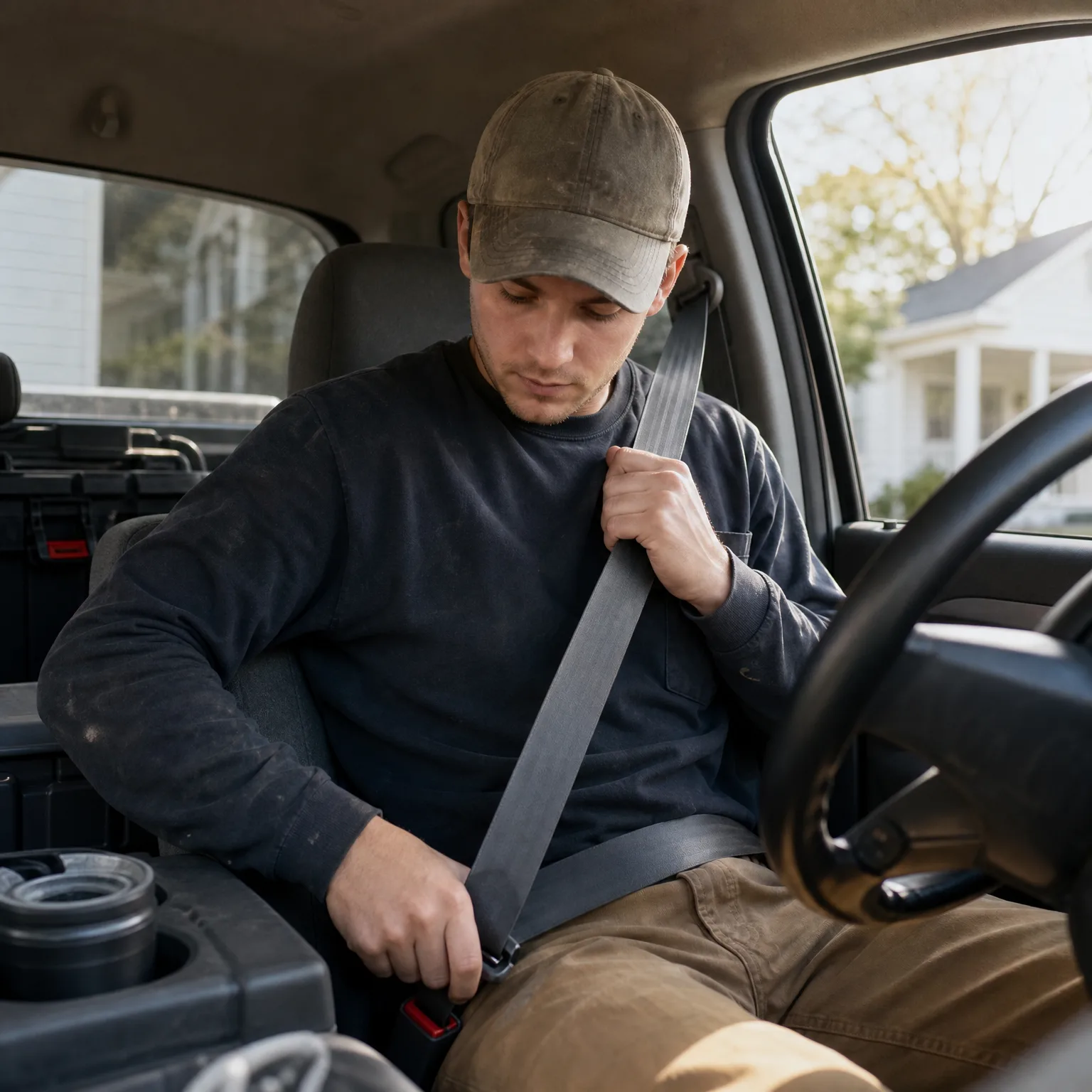
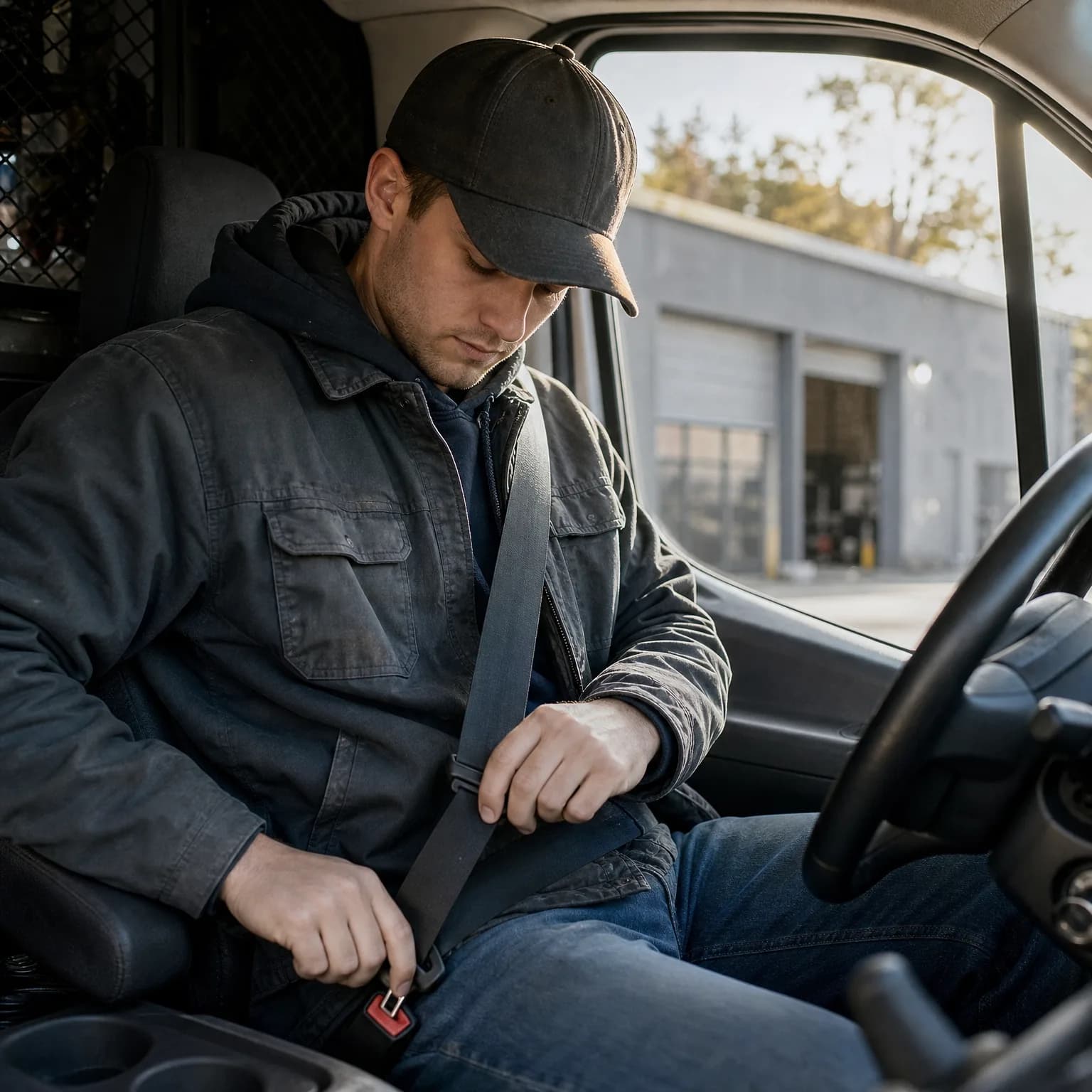
Non-owner SR-22 is not permanent. When you purchase or title a vehicle in your name, you must convert to a standard auto policy and transfer the SR-22 filing to the new policy. Most carriers writing non-owner SR-22 also write standard auto and will convert your policy mid-term without restarting the SR-22 clock, as long as there is no coverage gap between cancellation of the non-owner policy and effective date of the standard policy.
The switch must happen before you drive the newly titled vehicle. Non-owner policies explicitly exclude vehicles you own — if you're in an at-fault accident driving a car titled to you while covered only by non-owner SR-22, the carrier denies the claim and Colorado DMV receives a lapse notice. You're suspended again and the SR-22 period restarts from zero.
Coordinate the timing: finalize the vehicle title transfer, contact your non-owner SR-22 carrier the same day, add the vehicle to a new standard policy effective immediately, and request SR-22 transfer to the new policy number. The carrier re-files SR-22 under the new policy within 24 hours. Total SR-22 duration remains unchanged — your three-year period continues counting from the original filing date.
3 years
Colorado SR-22 Filing Period
Required for insurance-related suspensions including uninsured driving and lapsed coverage. The period begins the day the carrier files SR-22 electronically with Colorado DMV, not the suspension date or violation date. Any lapse in coverage during the three-year window triggers immediate re-suspension and restarts the filing period from day one.
Colorado SR-22 filing requirements, DMV reinstatement guidelines

Carriers Writing Non-Owner SR-22 in Colorado
Not every carrier writes non-owner policies. Of the carriers licensed in Colorado and confirmed writing SR-22, Progressive, Geico, The General, and Dairyland explicitly offer non-owner SR-22 and quote online or by phone without requiring an agent. USAA writes non-owner SR-22 but restricts eligibility to military members, veterans, and their families.
Bristol West, National General, and Infinity write SR-22 for standard auto policies and may write non-owner on request, but do not advertise non-owner options prominently — call to confirm availability. State Farm writes SR-22 but non-owner eligibility varies by agent and underwriting guidelines; some State Farm agents decline non-owner applications in high-risk situations.
Start Filing Today
You don't need a vehicle, a prior policy, or a clean record to start SR-22 filing in Colorado. Non-owner SR-22 exists specifically for drivers in your position — suspended, uninsured, and blocked from standard auto policies. Apply with a carrier confirmed writing non-owner SR-22 in Colorado, provide your license number and suspension notice, and authorize electronic SR-22 filing. Coverage starts the day you're approved, and your SR-22 clock starts counting immediately. Compare carriers writing non-owner SR-22 to find the lowest monthly premium for your county and violation history.
How Non-Owner SR-22 Works in Colorado
You purchase the policy by providing your driver's license number, suspension notice details, and the SR-22 duration specified by Colorado DMV. The carrier underwrites you in the non-standard tier based on your suspension trigger — uninsured driving, DUI, excessive points, or lapsed coverage. Premium depends on your violation history and county, typically $25–$45 per month for minimum liability limits that meet Colorado's $25,000 per person, $50,000 per accident bodily injury, and $15,000 property damage floor.
Once approved, the carrier files the SR-22 certificate electronically with Colorado DMV within 24 to 72 hours. You receive a policy declarations page and an SR-22 copy for your records. The SR-22 filing remains active as long as you maintain the policy without lapse. If you cancel, miss a payment, or let the policy lapse for any reason, the carrier notifies Colorado DMV electronically within 10 days and your license suspends again immediately until you refile.
Get Your Free Quote
Get My Colorado SR-22 Auto Insurance QuoteFrequently Asked Questions
Can I get SR-22 insurance in Colorado if I've never had car insurance before?
Yes. Colorado does not require prior coverage history to file SR-22. Non-owner SR-22 policies are available to drivers who have never carried insurance, and the SR-22 filing period starts the day the carrier transmits the certificate to Colorado DMV electronically.
How much does non-owner SR-22 insurance cost in Colorado?
Non-owner SR-22 policies in Colorado typically cost $25–$45 per month for minimum liability limits, depending on your suspension trigger, driving history, and county. Carriers also charge a one-time SR-22 filing fee of $15–$25 at purchase. Estimates based on available industry data; individual rates vary.
What happens if I buy a car while I have non-owner SR-22 insurance?
You must immediately switch to a standard auto policy and transfer the SR-22 filing to the new policy before driving the vehicle. Non-owner policies exclude vehicles you own — driving your titled vehicle under non-owner coverage voids the policy, triggers a lapse notice to Colorado DMV, and suspends your license again.
Do I need to own a car to get SR-22 insurance in Colorado?
No. Non-owner SR-22 is designed for drivers who do not own a vehicle. It provides liability coverage when you drive vehicles you do not own with the owner's permission, and it satisfies Colorado's SR-22 filing requirement without naming a specific insured vehicle.
How long does SR-22 filing last in Colorado?
Colorado requires SR-22 filing for three years for insurance-related suspensions. The period starts the day your carrier files the SR-22 certificate with Colorado DMV. If your policy lapses at any point during the three years, the carrier notifies DMV, your license suspends immediately, and the three-year period restarts from zero when you refile.
Which insurance companies offer non-owner SR-22 in Colorado?
Progressive, Geico, The General, Dairyland, and USAA (military-affiliated only) write non-owner SR-22 policies in Colorado and quote online or by phone. Bristol West, National General, and Infinity may write non-owner on request but do not advertise it prominently.