
Non-Owner SR-22 Insurance — Westminster, CO
Free to compare
When You Need SR-22 Filing Without Owning a Vehicle
Your license was suspended for driving uninsured, a DUI, or accumulating too many points. Colorado DMV told you that reinstatement requires SR-22 filing for three years. You sold your car before the suspension, you're borrowing a family member's vehicle, or you're using rideshare and public transit. The confusion: how do you maintain required insurance when you don't own anything to insure?
Non-owner SR-22 insurance is a liability policy designed for exactly this situation. It provides the state-minimum bodily injury and property damage coverage Colorado requires — $25,000 per person, $50,000 per accident, $15,000 property damage — and attaches the SR-22 certificate to that policy. The coverage follows you as a driver, not a specific vehicle. When you drive a borrowed car, a rental, or any vehicle you don't own, the non-owner policy provides secondary liability coverage and keeps your SR-22 filing active with the state.
“The instant you register a vehicle, your non-owner policy terminates — most drivers don't know they've created a filing gap until the suspension notice arrives.”
Find a Colorado Policy That Covers Your Filing
Get My Colorado SR-22 Auto Insurance Quote3 years
Colorado SR-22 Filing Period
Colorado requires continuous SR-22 filing for three years from your reinstatement date for most suspension triggers. Any lapse in coverage during that period triggers a new suspension and restarts the three-year clock from zero.
Colorado Division of Motor Vehicles reinstatement requirements
What Non-Owner SR-22 Actually Covers
Non-owner policies do not cover damage to the vehicle you're driving — that's the vehicle owner's responsibility through their own collision and comprehensive coverage. The non-owner policy covers your liability to other people. If you cause an accident while driving a borrowed car, your non-owner policy pays for the other driver's injuries and property damage up to your policy limits.
The coverage is secondary when the vehicle you're driving already has insurance. The owner's liability policy pays first; your non-owner policy covers the gap if damages exceed their limits. When you drive a vehicle with no insurance — which you should not do, but the scenario exists — your non-owner policy becomes primary and covers the liability you create.
Most non-owner policies exclude vehicles owned by anyone in your household, vehicles you use regularly for business, and vehicles you have regular access to. If you live with someone who owns a car and you drive it more than occasionally, you need to be listed as a driver on their standard policy, not carry separate non-owner coverage. Misrepresenting your access to a household vehicle voids the non-owner policy and leaves you uninsured when a claim happens.

The instant you register a vehicle in your name, your non-owner policy terminates. Most carriers cancel automatically when DMV records show new registration, creating a filing gap you won't know about until the suspension notice arrives.



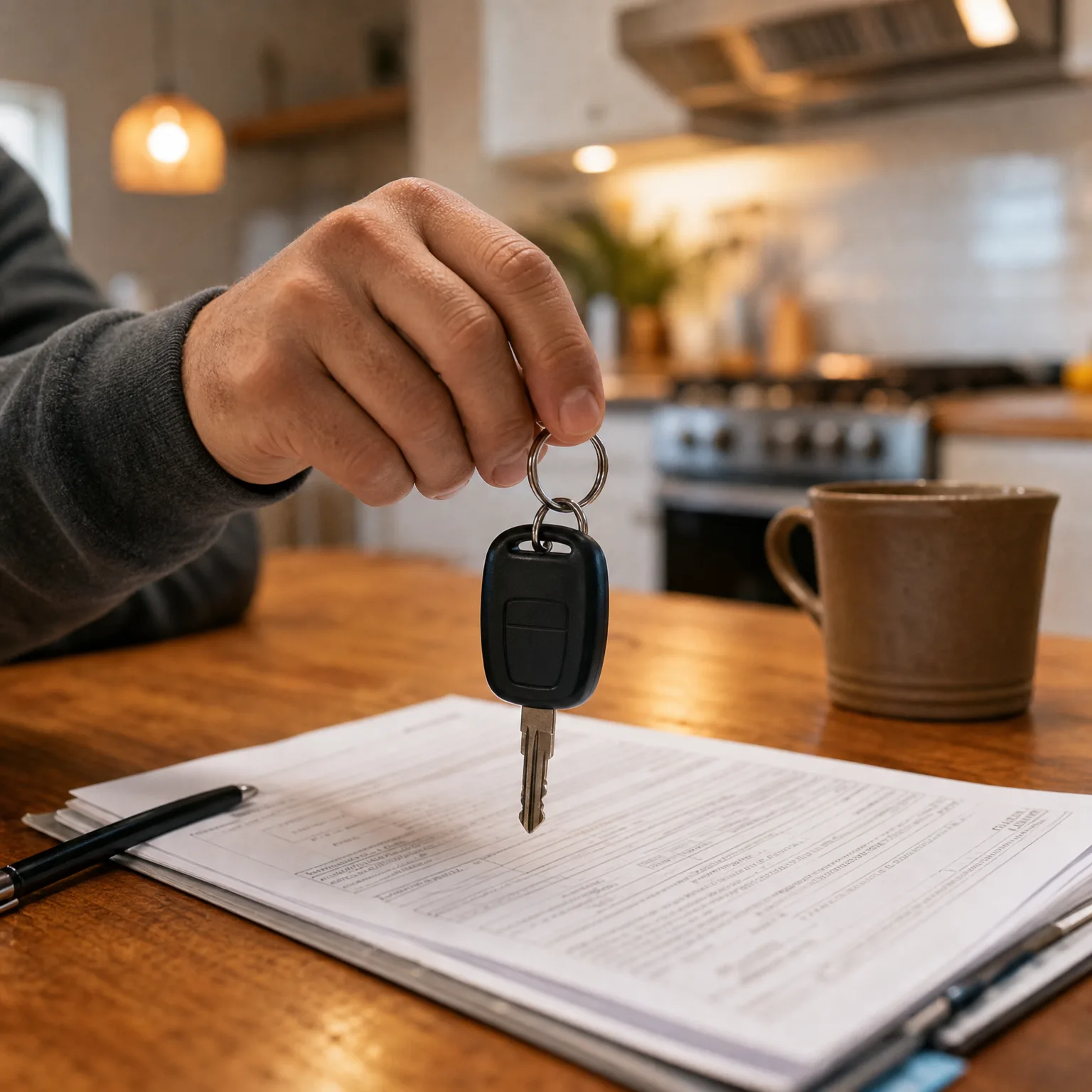
The Vehicle Registration Gap That Restarts Your Suspension
You buy a car six months into your three-year SR-22 period. You register it with DMV. Your non-owner policy cancels automatically because you now own a vehicle. If you do not immediately convert to a standard owner policy with SR-22 attached, you have a filing gap. Colorado DMV receives the cancellation notice from your non-owner carrier but does not receive a new SR-22 filing from a standard-policy carrier. The state interprets this as a lapse. Your license is re-suspended, and your three-year SR-22 clock restarts from zero.
The correct sequence: before you register any vehicle in your name, contact your non-owner carrier or a new standard-auto carrier and bind a standard policy with SR-22 attached to the vehicle you're about to register. The new policy's SR-22 filing must reach DMV before the non-owner cancellation does. Most carriers can backdate a standard policy to the vehicle purchase date if you act within a few days, but waiting weeks creates a gap the state will catch.
If you're added as a driver to someone else's vehicle — a spouse, parent, or partner — and that vehicle is registered in their name only, your non-owner policy typically remains valid. But if you're listed as a co-owner on the registration, the non-owner policy cancels. Check with your carrier before accepting co-ownership of any vehicle during your SR-22 period.
$95
Colorado License Reinstatement Fee
After paying off fines, completing any required classes or interlock periods, and securing SR-22 insurance, you pay a $95 reinstatement fee to Colorado DMV. This is the base fee for uninsured-motorist suspensions; DUI and habitual-traffic-offender cases may carry different fees or additional conditions.
Colorado Division of Motor Vehicles fee schedule
When a Standard Policy Makes More Sense Than Non-Owner
If you drive a family member's car more than occasionally — twice a week or more — most carriers will not write you a non-owner policy or will deny claims if they discover regular use. You need to be added as a listed driver on the owner's standard policy, with SR-22 attached to that policy in your name. The owner's premium will increase, but it's the only compliant path. Trying to use non-owner coverage for a vehicle you drive regularly is misrepresentation and voids your SR-22 filing when discovered.
If you're about to buy a car within 30 days, skip the non-owner policy and wait until you have the vehicle to quote standard policies with SR-22. Paying for one or two months of non-owner coverage and then switching creates unnecessary cost and complexity. Standard SR-22 policies often cost less per month than non-owner SR-22 because the risk pool is larger and underwriting is more competitive.
Compare Carriers Writing Non-Owner SR-22 in Your ZIP Code
Non-owner SR-22 pricing varies by carrier, your specific violation, and your location within Westminster. A DUI-triggered suspension produces higher premiums than a lapse-triggered suspension. Drivers under 25 pay more than drivers over 40 for the same violation history. ZIP codes near I-25 and Highway 36 sometimes see higher rates due to density and claims frequency. The only way to find the lowest available rate is to request quotes from multiple carriers that write your risk profile.
Use the comparison tool on this site to request quotes from carriers confirmed to write non-owner SR-22 in Colorado. Provide your violation details, your Westminster ZIP code, and your reinstatement timeline. Quotes typically arrive within one business day. Once you bind coverage, the carrier files your SR-22 electronically with Colorado DMV, satisfying your reinstatement requirement and starting your three-year filing clock.
How to Buy Non-Owner SR-22 in Westminster
Start with carriers confirmed to write non-owner SR-22 in Colorado: Progressive, GEICO, The General, Dairyland, and USAA (military-affiliated drivers only). Each quotes independently. Progressive and GEICO allow online quotes for non-owner policies; The General and Dairyland typically require phone contact. Request quotes from at least three carriers — non-owner SR-22 premiums vary significantly based on your violation history, age, and ZIP code within Westminster.
When requesting quotes, provide your suspension trigger (DUI, uninsured driving, points accumulation), your reinstatement date or expected reinstatement date, and confirmation that you do not own a vehicle and do not have regular access to a household vehicle. If you're currently suspended and applying for early reinstatement or a probationary license with ignition interlock, tell the carrier — some will not bind a policy until your driving privilege is partially restored. Once you select a carrier and pay the first month's premium, the carrier files the SR-22 certificate electronically with Colorado DMV, typically within one to three business days.
Get Your Free Quote
Get My Colorado SR-22 Auto Insurance QuoteFrequently Asked Questions
Can I drive any car with a non-owner SR-22 policy in Colorado?
You can drive borrowed or rental cars occasionally, but most non-owner policies exclude vehicles you own, vehicles owned by household members, and vehicles you use regularly. If you drive a family member's car more than occasionally, you need to be listed on their standard policy with SR-22 attached, not carry separate non-owner coverage.
What happens to my non-owner SR-22 if I buy a car during the three-year filing period?
Your non-owner policy cancels automatically when you register a vehicle in your name. You must bind a standard auto policy with SR-22 attached before registering the vehicle, or Colorado DMV will see a filing gap and re-suspend your license. The three-year SR-22 clock restarts from zero if a lapse occurs.
How much does non-owner SR-22 insurance cost in Westminster?
Rates vary by carrier, your specific violation, age, and ZIP code. DUI-triggered suspensions cost more than lapse-triggered suspensions. Drivers under 25 pay more than older drivers. Request quotes from Progressive, GEICO, The General, and Dairyland to compare rates for your situation.
Do I need non-owner SR-22 if I'm only using rideshare and public transit?
If Colorado DMV requires SR-22 filing for reinstatement and you don't own a car, you still need an active non-owner SR-22 policy to keep your license valid. The state doesn't care whether you're currently driving — the filing requirement is continuous for three years regardless of your transportation choices.
Can I get non-owner SR-22 if I'm still suspended and waiting for reinstatement?
Most carriers will bind a non-owner SR-22 policy while you're suspended, but some require partial restoration of driving privileges first — especially for DUI cases requiring ignition interlock. Contact carriers directly with your suspension trigger and expected reinstatement date to confirm they'll write your situation before you're fully reinstated.